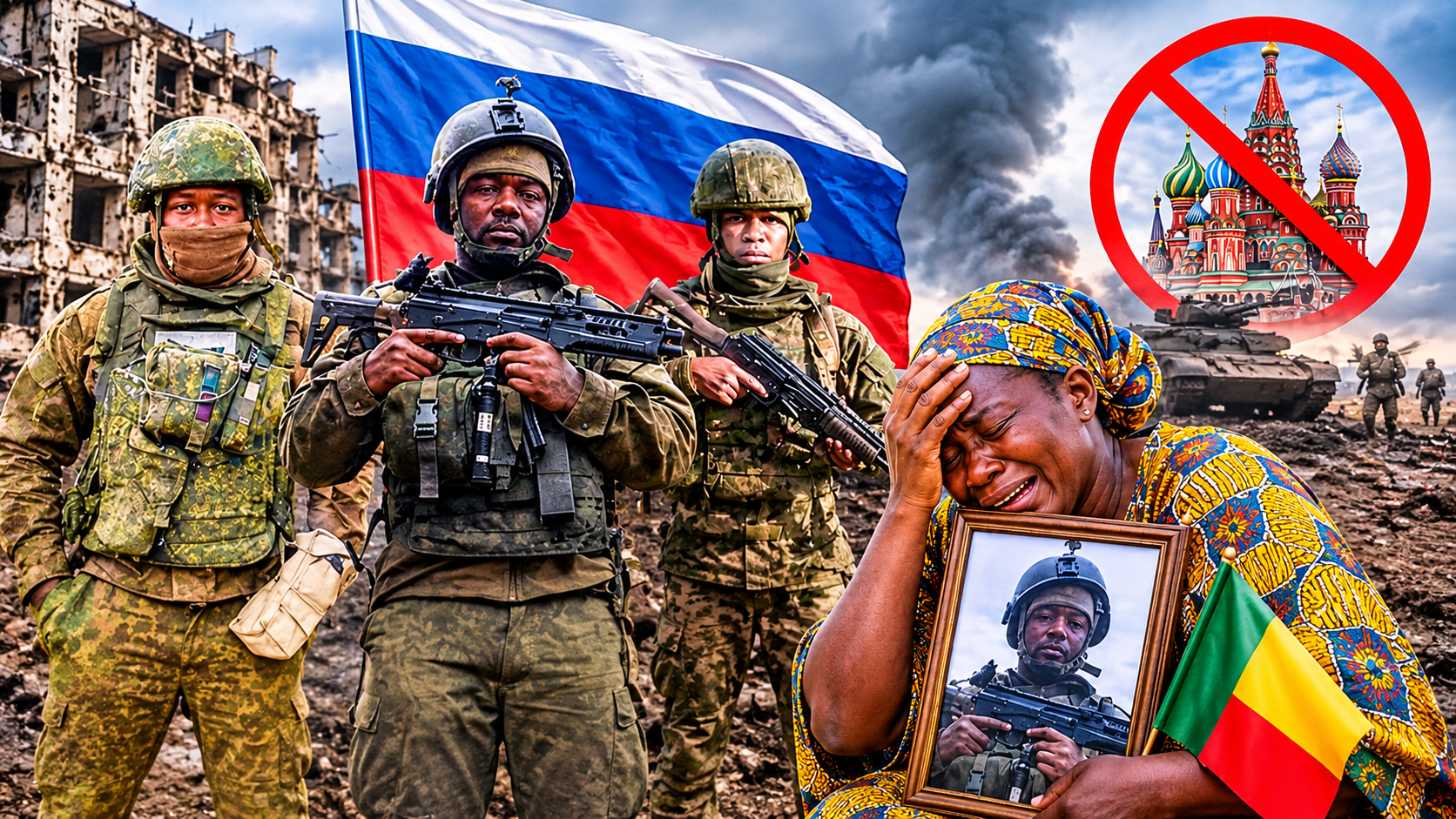
The tragic death of a young Beninese student on the front lines in Ukraine has ignited a global debate over the hidden dangers facing African students pursuing education in Russia. This heartbreaking case exposes a harsh reality: dreams of academic achievement can be shattered when foreign students become entangled in a war they never chose to fight.
From academic ambition to wartime peril
For countless African youths, studying abroad represents an escape from economic hardship and a pathway to professional success. Families often make enormous financial sacrifices to fund these educational pursuits, viewing them as investments in their children’s futures. Yet when these ambitions collide with geopolitical conflicts, the consequences can be devastating.
The case of the deceased Beninese student underscores a troubling question: How does a student pursuing education abroad end up on a battlefield thousands of miles from home? While most African students in Russia complete their studies without incident, documented cases reveal disturbing patterns of military recruitment targeting foreign nationals.
Recruitment tactics that exploit vulnerability
International students in Russia often face precarious living conditions, financial constraints, and administrative hurdles. These vulnerabilities make them susceptible to exploitation by intermediaries offering deceptive employment opportunities. What begins as a promise of financial stability can rapidly escalate into military service, with recruits unaware of the true nature of their obligations until it’s too late.
In the current climate of war, such agreements carry life-or-death consequences. Foreign recruits may find themselves:
- Deployed to active combat zones
- Exposed to life-threatening environments
- Unable to extricate themselves without severe penalties
Russia as a destination: balancing opportunity and risk
Russia maintains a complex relationship with international education, offering legitimate academic pathways while simultaneously engaging in military recruitment practices. The war in Ukraine has intensified scrutiny of these dual mechanisms, raising concerns about:
- The transparency of university enrollment processes
- The authenticity of student visa documentation
- The contractual obligations imposed on foreign nationals
While many institutions of higher learning in Russia operate above board, the existence of recruitment programs targeting foreigners demands heightened vigilance from prospective students and their families.
Protective measures for prospective students
Families and students must conduct thorough due diligence before committing to educational programs abroad. Critical verification steps include:
- Confirming the legitimacy of the admitting institution
- Reviewing visa documentation for military service clauses
- Assessing the financial stability of the host country
- Seeking independent legal advice on contractual obligations
African governments must reinforce consular support systems to provide real-time risk assessments and emergency assistance for citizens studying in conflict zones. Educational consultants should prioritize ethical recruitment practices, ensuring students understand all facets of their legal and military obligations before departure.
Accountability in the face of tragedy
The circumstances surrounding this young student’s death remain under investigation. Key questions must be addressed:
- What were the precise terms of his enrollment in Russia?
- Did recruitment practices play a role in his deployment?
- What recourse exists for families seeking accountability?
Until these answers emerge, the risks faced by African students in Russia cannot be ignored. Their pursuit of knowledge should not become a pathway to military service against their will.
Lessons for the African student diaspora
This tragedy serves as a sobering reminder of the responsibilities that come with studying abroad. Young people must:
- Verify all employment and educational contracts meticulously
- Understand the geopolitical climate of their host country
- Establish emergency contacts with their home country’s consulate
- Seek transparent information from multiple sources
For African governments, this case highlights the urgent need to:
- Enhance pre-departure counseling programs
- Monitor high-risk educational markets
- Strengthen legal protections for students abroad
The death of this young Beninese student must catalyze systemic change. Educational aspirations should never be bought at the cost of human lives. As debates continue about foreign recruitment in wartime Russia, the international community must prioritize the safety and rights of African students who simply seek to build a better future through education.